
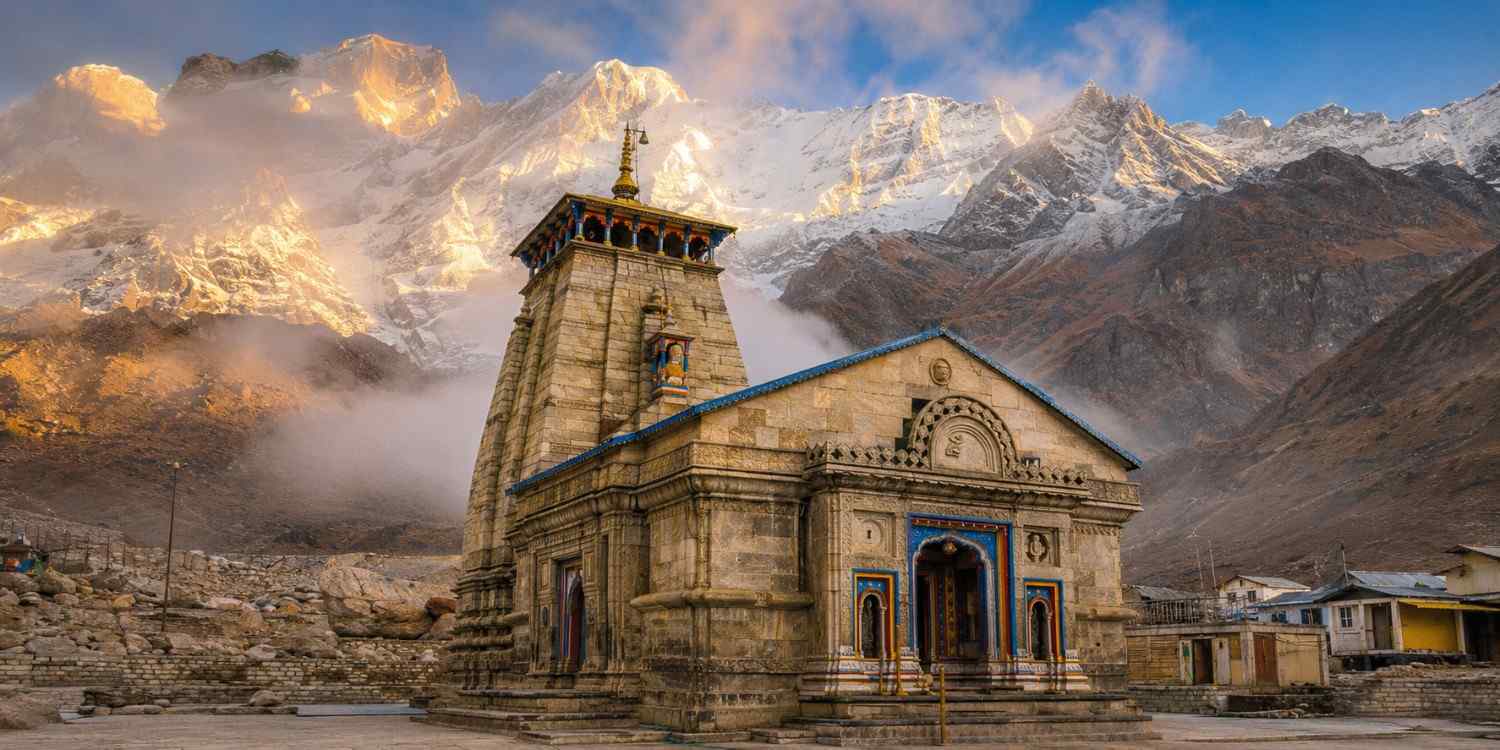
Kedarnath needs a different travel answer from ordinary hill stations. The temple opens for a limited pilgrimage window, the route depends on mountain access, and the final stretch includes a long climb from Gaurikund. The best time to visit Kedarnath therefore depends on temple access, weather stability, crowd pressure and personal fitness. May to June and September to October work better for most pilgrims, but every plan needs current checks before booking transport, rooms or helicopter seats.
Start with Access Before Choosing a Month
The safest answer begins with official access. The Uttarakhand registration portal lists the Kedarnath opening date for 2026 as 22 April. The same official portal says temple opening and closing time details will be announced, which means pilgrims should recheck operational details near travel dates.
The Kedarnath closing date for the 2026 season had not appeared as a final confirmed date on the official registration page during this audit. Kedarnath traditionally closes after Diwali or Bhai Dooj, but fixed travel bookings should rely on the official portal, the temple committee, and local administration updates.
Use Two Main Windows for the Yatra
| Travel Window | Why it works | Main caution |
| Late April to June | Temple access begins, days are longer, roads receive high pilgrim movement | Opening weeks bring heavy crowds and colder nights |
| September to October | Post-monsoon visibility improves, crowd pressure can reduce, trek conditions may feel steadier | Cold mornings return and closing-season details need checking |
| July to August | Green mountain views attract some travellers | Heavy rain, landslides and temporary yatra pauses can disrupt plans |
| Winter closure period | The main shrine route remains under severe snow conditions | Regular pilgrimage access is closed |
This two-window view keeps best time to visit Kedarnath planning practical. Early summer suits pilgrims who want the full opening-season atmosphere. Post-monsoon weeks suit travellers who prefer clearer views, lower heat on lower roads and fewer opening-week queues.
Choose Dates by Pressure Points
Pilgrimage dates should be chosen through pressure points rather than preference alone. Opening enthusiasm, school holidays, weekend rush, helicopter demand, hotel availability and weather alerts all affect the yatra experience. A date that looks perfect on a calendar may become difficult when Sonprayag traffic, Gaurikund queues or afternoon rain enters the plan.
- Pick weekdays when the schedule allows fewer route bottlenecks.
- Keep an extra night before the return journey from the mountain belt.
- Avoid single-day temple plans after long road travel from Haridwar or Rishikesh.
- Book rooms close to the movement plan, rather than only by price.
- Check official alerts before paying for non-refundable add-ons.
This pressure-point approach gives the best time to visit Kedarnath a practical frame for families, older pilgrims and travellers with fixed leave dates.
Month Signals for Weather and Movement
A single national weather answer fails here because Kedarnath is located high in the Garhwal Himalaya near the Mandakini river. The temple committee describes Kedarnath as a sacred pilgrimage centre at 3,584 metres above sea level, which explains why nights can feel sharp even during the yatra months.
| Month group | Travel reading | Planning note |
| April opening period | Cold air, remaining snow in higher areas and fresh access preparations | Useful for devotees ready for opening rush |
| May to June | Better daylight and active yatra movement | Book early and expect queues |
| July to August | Rain, landslide risk and route uncertainty | Avoid unless official conditions remain favourable |
| September to October | Clearer post-rain views and colder mornings | Strong window for practical pilgrims |
| November to March | Snowbound conditions around the shrine area | Main temple pilgrimage access remains closed |
This Kedarnath weather by month view should guide expectations, not replace real-time advisories. Mountain weather can change within hours, and a safe morning can turn into a difficult afternoon during unstable periods.
The Trek Decides More Than the Forecast
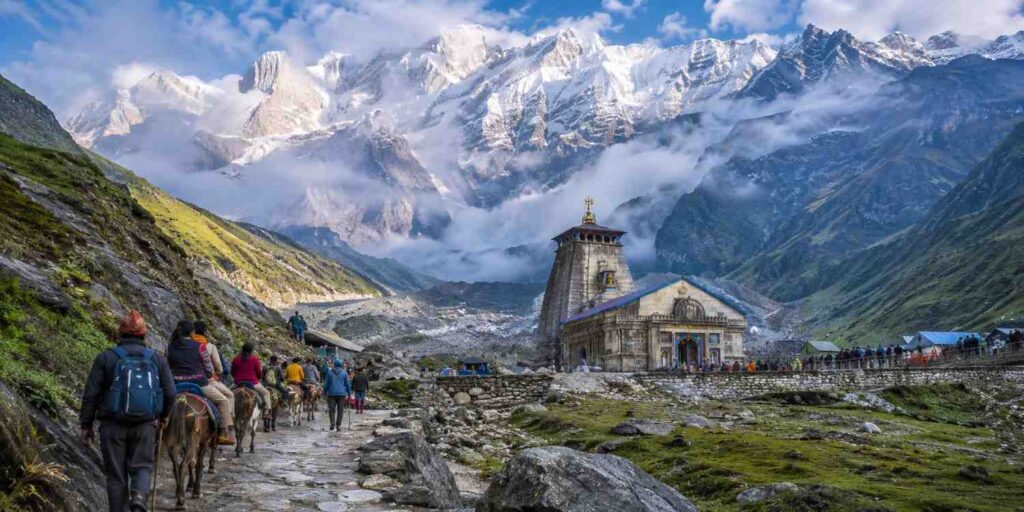
Kedarnath planning must respect the walking route. Uttarakhand Tourism and the official registration portal describe Gaurikund as the start of a 16 km trek to Kedarnath. This distance affects timing, fitness, baggage, footwear, porter choices and return planning.
- Begin the climb early enough to avoid late arrival near the shrine area.
- Carry rain protection, warm layers and a light bag, even during warmer months.
- Keep medical limits honest before choosing pony, palki or helicopter support.
- Avoid uphill movement during heavy rain, poor visibility or route warnings.
- Leave spare time for crowd checks, food breaks and slower walking sections.
The Kedarnath trek weather reading should include rain, temperature, visibility, wind and route status. A pleasant forecast in a nearby town does not guarantee safe conditions on the climb.
Darshan Timing Needs Crowd Awareness
The Kedarnath temple darshan experience depends heavily on crowd volume, weather delays and local movement controls. Opening week, long weekends and festival periods bring intense pressure around Sonprayag, Gaurikund and the temple area. A pilgrim with limited stamina should avoid building a plan around perfect timing or short queues.
Registration remains essential for Char Dham travel, and the official tourist care portal should be checked before travel. Helicopter seats, accommodation and local transfers can change quickly during weather disruptions. Darshan planning works better when one day remains available as a buffer before the return journey, with one extra recovery evening whenever possible.
When the Trip Should Wait
Some periods need restraint, even when the temple is open. In July 2026, the Char Dham Yatra was temporarily suspended after heavy rainfall alerts and landslides affected pilgrimage routes. This example shows why monsoon travel cannot rely only on a personal holiday calendar.
Postpone the plan when red or orange weather alerts appear, when landslide reports affect the route, or when authorities pause movement. Kedarnath requires devotion, but devotion should never replace route discipline, medical judgment or official instructions.
Match Timing with Pilgrim Type
| Pilgrim type | Better choice | Reason |
| First-time pilgrim | May, early June, September | Active services and manageable planning windows |
| Older pilgrim | Clear-weather weeks with buffer days | Altitude, queues and trekking time need care |
| Budget traveller | Post-monsoon weekdays | Demand may feel lighter than opening rush |
| Helicopter traveller | Book after checking weather flexibility | Flights can change during poor visibility |
| Photography-focused traveller | September or October | Views can appear clearer after the rain period |
This filter makes the best time to visit Kedarnath more personal. A fit trekker, an older pilgrim, and a family with limited leave need different risk margins.
Read the Season Through Pilgrimage Readiness
The Kedarnath Yatra season should be planned through readiness, not excitement alone. Check registration, medical comfort, layered clothing, accommodation distance, food breaks, transport gaps and route updates before final payment. A short delay can protect the whole journey when mountains change quickly.
Choose May or June when opening-season access, active services and stronger public movement matter most. Choose September or October when clearer views and a steadier pace matter more. Avoid building a first pilgrimage around heavy monsoon weeks unless official conditions remain favourable and the itinerary has spare days.
Wrapping Up
For most pilgrims, the best time to visit Kedarnath is May to June or September to October, with the second window often better for travellers who prefer clearer views and fewer opening-season crowds. The final decision should follow official temple access, weather alerts, trek readiness and darshan logistics. Keep one buffer day, carry proper layers and avoid monsoon risk when advisories turn serious. Kedarnath feels meaningful when the journey is planned with patience, respect and practical mountain awareness.
FAQs
Can Kedarnath be planned immediately after opening day?
Opening week can work for pilgrims ready for queues, cold nights and busy route movement. Travellers with older family members or strict return flights should keep buffer days or choose a later clear-weather window.
Why does July create difficulty for Kedarnath travel?
July falls within the wetter Himalayan period, when rain can affect roads, walking sections and landslide-prone stretches. Official advisories should decide travel movement during this period, even when hotel bookings already exist.
How early should the Gaurikund trek begin?
An early start from Gaurikund gives better daylight, more rest space and a safer arrival margin. Late starts can become difficult when walking pace, crowd movement or mountain weather changes unexpectedly.
Is helicopter travel enough to avoid timing issues?
Helicopter travel reduces walking time, but it cannot remove weather risk. Poor visibility, rain or operational changes can delay flights, which makes flexible bookings and extra time important for Kedarnath plans.
Which visitors need extra care before this yatra?
Older pilgrims, people with breathing issues, heart concerns, knee problems or low walking stamina need medical advice before travel. Altitude, cold air, crowd pressure and the route length can increase physical strain.