
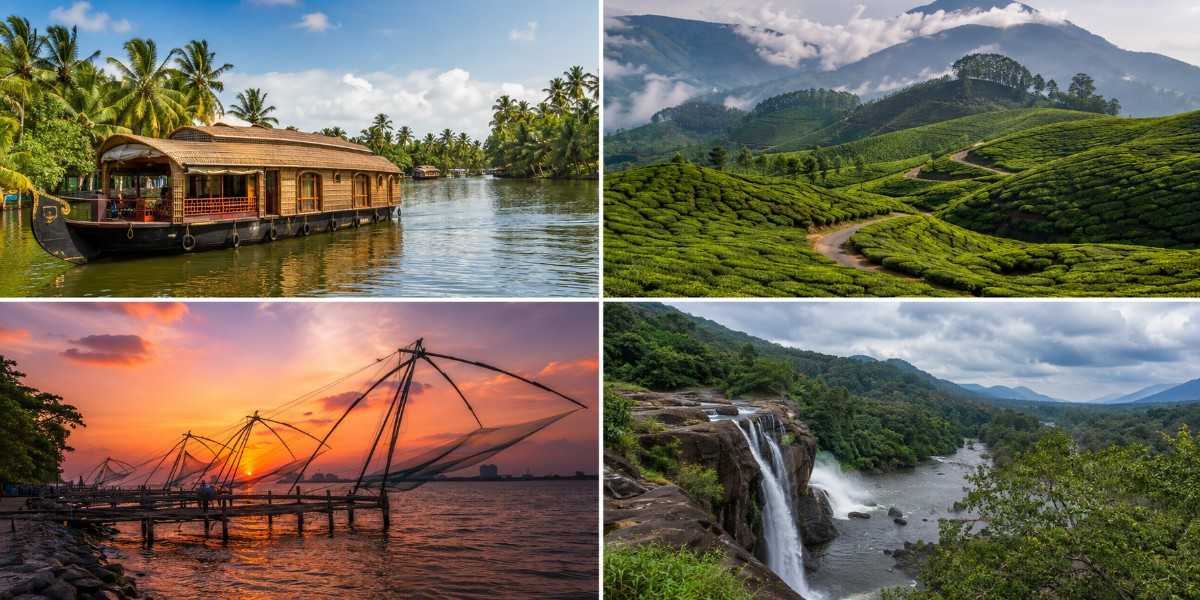
Kerala changes character by landscape. The coast can feel humid while Munnar feels cooler, the backwaters need easy cruising weather, and monsoon trips demand road awareness. The best time to visit Kerala cannot be answered through one month alone because a beach break, hill stay, Ayurveda retreat and houseboat trip need different conditions. For most travellers, October to February gives the easiest weather window, while June to September suits people who accept rain and slower movement.
Start with the Route Before the Month
| Kerala trip type | Better window | Why it works |
| Backwaters and houseboats | October to February | Clearer skies, easier cruising and less afternoon heat |
| Munnar and tea country | October to March | Cooler hill weather and stronger outdoor comfort |
| Beaches and Fort Kochi | November to February | Better walking weather and easier coastal time |
| Ayurveda and rain retreats | June to September | Wet season atmosphere and lower crowd pressure |
| Budget travel | March to May or rainy months | Lower demand, with heat or rain trade-offs |
Official Kerala travel guidance places November to February in the peak period, with March to May and June to September in off-peak travel windows. This split is useful, yet the best time to visit Kerala still depends on the route you choose.
Backwater Days Need Comfort Without the Rush
Houseboat plans work best when heat, humidity and rain stay manageable. October to February is the strongest Kerala backwaters season for most visitors because Alleppey, Kumarakom and nearby lake routes feel easier during the day. The best time to visit Alleppey also depends on whether you want an overnight houseboat, a short shikara ride or a village canal route.
An overnight houseboat needs clearer skies and lighter humidity. A day cruise can work across wider months if rain is not heavy. Families should check air-conditioning, boarding point, meal quality, safety gear and cancellation terms before paying.
Munnar Follows a Cooler Hill Calendar
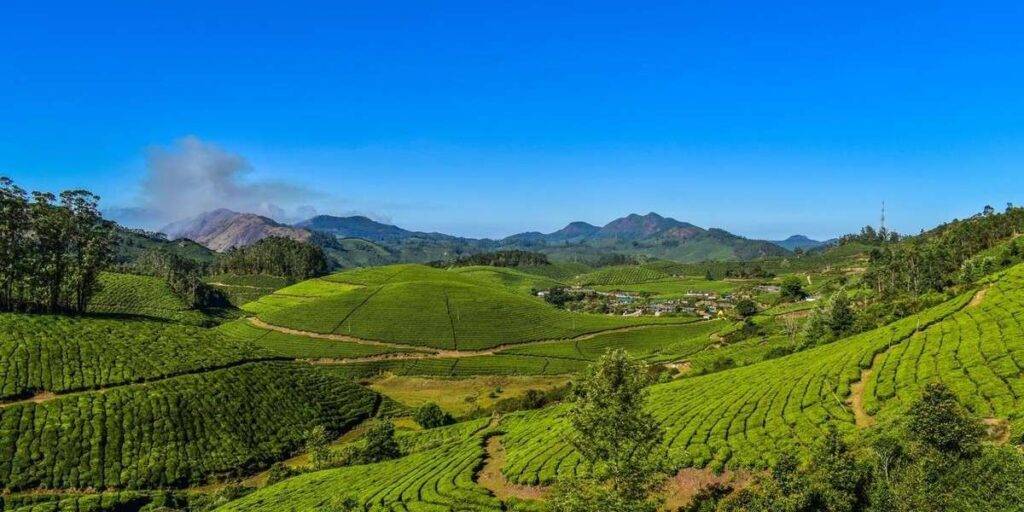
Munnar lies around 1,600 metres above sea level in the Western Ghats, which gives it a different rhythm from coastal Kerala. The best time to visit Munnar is commonly easier from October to March because tea gardens, viewpoints and road travel feel less tiring.
Use this hill-station filter before booking:
- Choose October to March for tea estate walks, viewpoints and family trips.
- Pick early mornings for better visibility near dams and viewpoints.
- Avoid risky waterfall stops during strong rain or poor visibility.
- Keep light woollens for evenings during cooler months.
- Leave buffer time on ghat roads after rain.
The Best Time to Visit Kerala becomes clearer when Munnar is handled as a hill trip, not as a quick add-on after a humid coastal day.
Monsoon Kerala Needs a Different Plan
The India Meteorological Department places the normal southwest monsoon onset over Kerala around the start of June. Official Kerala travel guidance places June to September in the south-west monsoon period, while October and November bring north-east monsoon influence. The Kerala monsoon season can look beautiful, but it changes how a trip should be built.
A rain-season plan should follow these checks:
1. Keep hill roads and long transfers flexible.
2. Avoid tight airport-to-Munnar schedules after heavy rain.
3. Choose resorts or towns with reliable access roads.
4. Check local alerts before waterfalls, treks and forest routes.
5. Keep indoor options ready in Kochi, Kumarakom or Thiruvananthapuram.
Monsoon travel suits slower resort days, Ayurveda retreats, reading time, photography and greenery. It is weaker for travellers who want fixed beach days, constant outdoor movement and guaranteed clear views.
Month Notes Without Pretending Weather Obeys a Chart
| Month range | Travel reading | Better fit |
| January to February | Pleasant weather across many routes | Backwaters, beaches, Kochi walks, Munnar |
| March to May | Hotter coastal weather and lower demand | Budget hotels, hill escapes, shorter city breaks |
| June to September | Wet months with greener scenery | Ayurveda, slow resorts, rain-friendly resorts |
| October | Transition after heavy rain in many areas | Backwaters, Kochi, early hill plans |
| November to December | Strong all-round travel window | Families, first-timers, houseboats, hill routes |
This Kerala weather by month view should guide decisions, not replace forecast checks. Mountain roads, local rain alerts and heat can alter the experience even during a recommended window.
Coast and City Timing Should Stay Lighter
Kochi, Varkala, Kovalam and northern beach routes feel better when walking weather improves. November to February works well for Fort Kochi streets, beach sunsets, local food, synagogue lanes, ferry movement and coastal hotels. March to May can feel heavy near the coast, during afternoon sightseeing. Travellers can still visit, but the day should begin early and move indoors after lunch.
Beach plans during rain months need extra caution. Sea conditions, local warnings and lifeguard instructions should decide the day before any swim or boat plan. Fort Kochi, Mattancherry and museum stops are useful when rain interrupts open-air sightseeing. This coastal view keeps the best time to visit Kerala practical for people who do not want every day built around hills or houseboats.
Pick the Season by Landscape
The right Kerala travel season changes when the trip moves from coast to hills. Kochi and beach routes benefit from cooler walking weather. Munnar needs visibility and safe roads. Alleppey and Kumarakom need comfortable cruising conditions. Wildlife and forest trips need current park rules, local access updates and respect for safety instructions.
For a first Kerala trip, use this route logic:
1. Choose Kochi, Munnar and Alleppey between November and February for the easiest weather mix.
2. Choose Munnar and Wayanad after checking road alerts during rain months.
3. Choose backwaters during October to February for better houseboat comfort.
4. Choose monsoon resorts when the trip is built around rest and rain views.
5. Choose summer travel only with heat planning and lighter daytime movement.
The best time to visit Kerala should support the route, not force every place into the same calendar answer.
A Short Route Should Cut One Landscape
A four-night Kerala trip should not chase every famous region. Pick Kochi with Munnar, or Kochi with Alleppey and Kumarakom. A six-night trip can add both hill and backwater time without turning every day into a transfer. Longer routes can include Varkala, Thekkady or Wayanad after checking drive times. This choice keeps the journey tighter and protects the better hours of each day.
Timing Mistakes That Weaken a Kerala Trip
- Booking a non-air-conditioned houseboat during very hot months.
- Adding Munnar immediately after a late-night arrival in Kochi.
- Treating monsoon as only a cheaper version of winter travel.
- Planning waterfall visits without checking current rain and access.
- Ignoring drive time between hills, coast and backwaters.
- Expecting beach weather during heavy rain periods.
- Skipping cancellation terms for houseboats and hill resorts.
Kerala travel rewards careful pacing and route awareness. Distances can look manageable on a map, but terrain, rain, road works and town traffic can change the day.
Clear Answer for First-Time Travellers
For most first-time visitors, the best time to visit Kerala is from November to February. This period gives the widest comfort across Kochi, Munnar, Alleppey, Kumarakom, beaches and family routes. October can also work well after the strongest rain has eased in many areas. June to September suits travellers who intentionally want monsoon scenery, Ayurveda retreats and quieter properties, but it needs flexible travel planning and updated local checks.
FAQs
Can Kerala be visited during school holidays?
Kerala works during school holidays when the plan avoids packed transfers and overheated afternoons. Families should prefer November to February, or choose hill and backwater hotels with backup indoor options during summer or rain periods.
Should a Kerala trip begin in Kochi or Thiruvananthapuram?
Kochi works better for routes covering Munnar, Alleppey, Kumarakom and Fort Kochi. Thiruvananthapuram suits Kovalam, Varkala, Poovar and southern temple routes. The arrival city should match the first two nights.
Does Munnar need warm clothing in winter?
Munnar can feel cool in the evening from November to February because of its hill elevation. Travellers should carry a light jacket, comfortable shoes and rain protection if the route includes viewpoints or tea estate walks.
Is monsoon a practical time for Kerala Ayurveda retreats?
Monsoon can work well for Ayurveda retreats because many travellers choose longer resort time, indoor treatments and slower schedules. The trip should avoid risky hill transfers during heavy rain and keep medical or therapy bookings verified.
When should houseboat travellers book early?
Houseboat travellers should book early for Christmas, New Year, long weekends and the winter peak. Early booking helps with better boat categories, clearer meal details, private cruise options and fairer cancellation terms.