
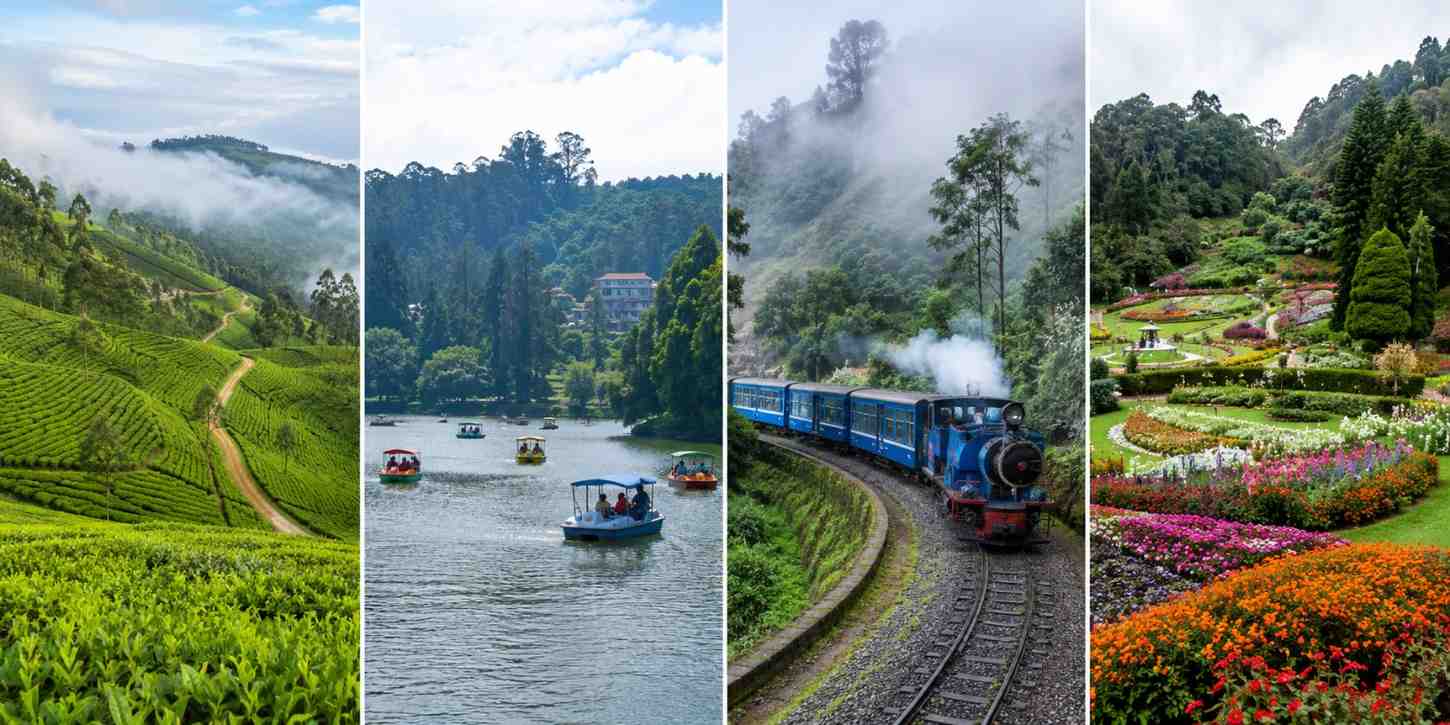
The best time to visit Ooty for most conventional holidays falls between October and June. Within that stretch, March to May is the most dependable period for gardens, viewpoints, boating and longer outdoor sightseeing days. If you are choosing the best month to visit Ooty for a first trip, March or April can offer a useful balance before the busiest part of May.
There is no single answer for every itinerary. Winter suits travellers who want colder evenings and mist, while monsoon brings deeper greenery and fuller waterfalls. Your preferred experience should decide the dates.
Choose the Best Time for the Ooty Trip You Want
A practical way to choose the best time to visit Ooty is to begin with the experience you care about most.
| Travel objective | Recommended window | Main advantage | Trade-off |
| General sightseeing and a first visit | March-May | Comfortable outdoor sightseeing | Peak crowds and higher demand |
| Honeymoon or a cold-weather trip | October-February | Cold evenings, mist and winter atmosphere | Cold nights and occasional poor visibility |
| Flowers and summer events | April-May | Gardens and seasonal events | Heavy crowds; dates vary annually |
| Relatively quieter sightseeing | February-March or September-November, outside holiday weekends | Better balance of conditions and crowds | Transition weather can vary |
| Green landscapes and rain ambience | June-September | Lush slopes and fuller waterfalls | Rain, fog and disruption |
| Budget-led trip | Monsoon weekdays | Potentially softer room demand | Savings are not guaranteed |
For the best time to visit Ooty with family, March to May works well when the plan involves several outdoor stops in a day. School holidays and May events, however, can make roads and attractions busier.
The best time to visit Ooty for honeymoon trips can shift towards October to February if mist and colder evenings matter more than maximizing sightseeing hours. Flower-focused visitors should follow the annual event calendar instead of assuming the same May dates every year.
What Is Ooty Like in Each Season?
The best season to visit Ooty depends on how much rain, cold and mist you are comfortable building into the trip. Seasonal patterns help with planning, but hill weather can change within the same day.
Summer in Ooty: March to May
March begins the most reliable stretch for conventional sightseeing. Days are generally comfortable for gardens, lakes and viewpoints, while evenings can remain cool. April and May bring stronger garden interest, and the Government Botanical Garden identifies April, May and September as favourable months to visit.
By May, summer holidays and events increase visitor pressure. Pack light layers, sun protection, walking shoes and a thin rain layer.
Monsoon in Ooty: June to September
Ooty in monsoon is greener, wetter and less predictable. Rain and low cloud can soften views across the hills, while waterfalls and forested slopes gain visual impact. The same conditions can reduce visibility, make paths slippery and stretch road journeys.
Carry waterproof footwear, rain protection and extra time between stops. Keep the itinerary flexible when IMD warnings mention heavy rain in the Nilgiris.
Winter in Ooty: October to February
Winter brings cool days, colder nights and frequent mist around mornings and evenings. October is milder, while January and February can feel considerably colder, particularly before sunrise and after sunset. Frost can occur during cold spells, but Ooty does not normally receive snowfall.
Warm layers and closed footwear become important. Early fog can temporarily hide distant views, so a misty morning does not always mean poor visibility all day.
| Season | Months | Typical conditions | Rain/visibility risk | Packing priority |
| Summer | March-May | Mild days, cool evenings | Lower, but changeable | Light layers, sun protection |
| Monsoon | June-September | Rain, mist, lush scenery | Highest | Waterproof shoes, rainwear |
| Winter | October-February | Cool days, cold nights | Morning fog | Warm layers, closed shoes |
If you compare Ooty temperature by month, use historical figures mainly for packing. For actual sightseeing decisions, a short-range forecast is more useful. The same applies to Ooty weather by month: it shows the broad pattern, not the exact conditions you will meet.
How Crowds, Prices and Events Change Through the Year
Weather is only part of the best time to visit Ooty decision. March to May brings the strongest leisure demand, and May becomes particularly busy when school holidays overlap with the annual Flower Show. In 2026, the Government Botanical Garden event ran from 18 to 28 May, showing why event-led trips need current dates.
Weekends can feel much busier than weekdays even in the same season. Hotel rates also move with occupancy, room type, holidays and booking lead time, so Ooty peak season does not have one fixed price and Ooty off season does not guarantee a discount.
- Reserve accommodation earlier for May, long weekends and confirmed festival dates.
- Compare weekday stays when lower crowd pressure matters.
- Book scarce transport, including popular Nilgiri Mountain Railway sectors, separately.
- Recheck event dates before paying a non-refundable rate.
- Treat monsoon discounts as availability-based, not guaranteed.
- Leave extra road time during peak weekends and major events.
When to Visit Ooty for Flowers, Waterfalls and Clear Views

Natural attractions do not peak at the same time. Choosing the best time to visit Ooty for scenery means deciding whether flowers, water flow or long-distance visibility matters most.
Gardens and Seasonal Flowers
The Government Botanical Garden identifies April, May and September as favourable visiting months. Its annual Ooty Flower Show is held in May, but dates need fresh verification each year. The 2026 edition ran from 18 to 28 May. Flower intensity remains weather-sensitive, so use the event schedule as the firmer planning cue.
Waterfalls and Monsoon Greenery
Rain strengthens the visual appeal of the Nilgiris’ slopes, forests and waterfalls. Pykara, about 20 kilometres from Ooty, descends through a series of cascades before its main falls. Monsoon months can make such landscapes fuller and greener, but wet surfaces and road conditions require more caution.
Viewpoints, Mist and Photography
Doddabetta rises to 2,623 metres and offers broad views across the Nilgiris when cloud cover allows. Mist may erase distant scenery and then lift later. For photography, that can add atmosphere, but travellers seeking clear panoramas should keep viewpoint timing flexible.
Travel Conditions to Check Before Finalising Your Dates
Before fixing the best time to visit Ooty for a specific trip, run through these current checks. Operational rules can change faster than seasonal advice.
- Check the latest IMD forecast and Nilgiris district advisories, particularly during heavy-rain periods.
- Verify the current Nilgiris e-pass requirement on the official district portal. The district website presently provides an e-pass application link.
- Check mountain-road restrictions. A district notice dated 29 April 2026 prohibits tourist vehicles from using Kalhatti Mountain Road, with stated exceptions for TN-43 and local vehicles.
- Confirm attraction, railway and activity availability close to travel because weather can affect operations.
- Recheck Flower Show and other festival dates before booking around an event.
- Keep an indoor or low-travel fallback plan when rain, fog or road delays are possible.
Repeat these checks shortly before departure. A route restriction or active weather warning issued after booking should take priority over the general best time to visit Ooty guidance.
Is There a Time When You Should Avoid Visiting Ooty?
There is no universally unsuitable month. The best time to visit Ooty changes with tolerance for rain, cold and travel disruption. A monsoon trip can be rewarding for someone who wants mist and greenery, yet frustrating when the itinerary depends on clear viewpoints and uninterrupted road travel.
Postpone or simplify the trip when:
- Heavy-rain warnings cover days reserved for mountain roads or outdoor sightseeing.
- The coldest winter weeks are unsuitable for travellers who are highly sensitive to low temperatures.
- Elderly travellers, families with infants or people with mobility limitations need more weather and journey buffers.
Active official warnings should always override generic seasonal advice.
Final Answer
Use your main travel objective to decide the best time to visit Ooty rather than selecting dates from a generic calendar. A flower-focused holiday, a misty winter break and an outdoor-heavy sightseeing trip need different conditions.
Before booking, check the short-range forecast, Nilgiris district restrictions and confirmed event dates. Those live details can influence the trip more than a broad season label.
FAQs
Does Ooty receive snowfall?
Ooty does not normally receive snowfall. During colder winter spells, frost can form on grass, roofs and vehicles and may look snow-like. Plan for cold mornings rather than a conventional snow experience.
Is an e-pass needed when arriving in Ooty by government bus?
The e-pass system primarily controls vehicle entry, so passengers on government buses are not normally applying for a private-vehicle pass themselves. Check the official Nilgiris district portal before travel because requirements can change.
Can the Nilgiri Mountain Railway operate during heavy rain?
It may run in ordinary wet weather, but heavy rain, landslips or track obstructions can cause cancellations or changes. Check the latest railway status close to departure.
How much travel buffer should I keep in peak season?
There is no official fixed buffer. For an onward train or flight, keep a generous margin during May, long weekends and major events because ghat-road traffic can slow the journey.
Are single-use plastic items restricted in the Nilgiris?
Yes. The Nilgiris district administration states that several single-use plastic items, including plastic cups, carry bags and plates, are banned. Carry reusable alternatives and check current district guidance before travel.