
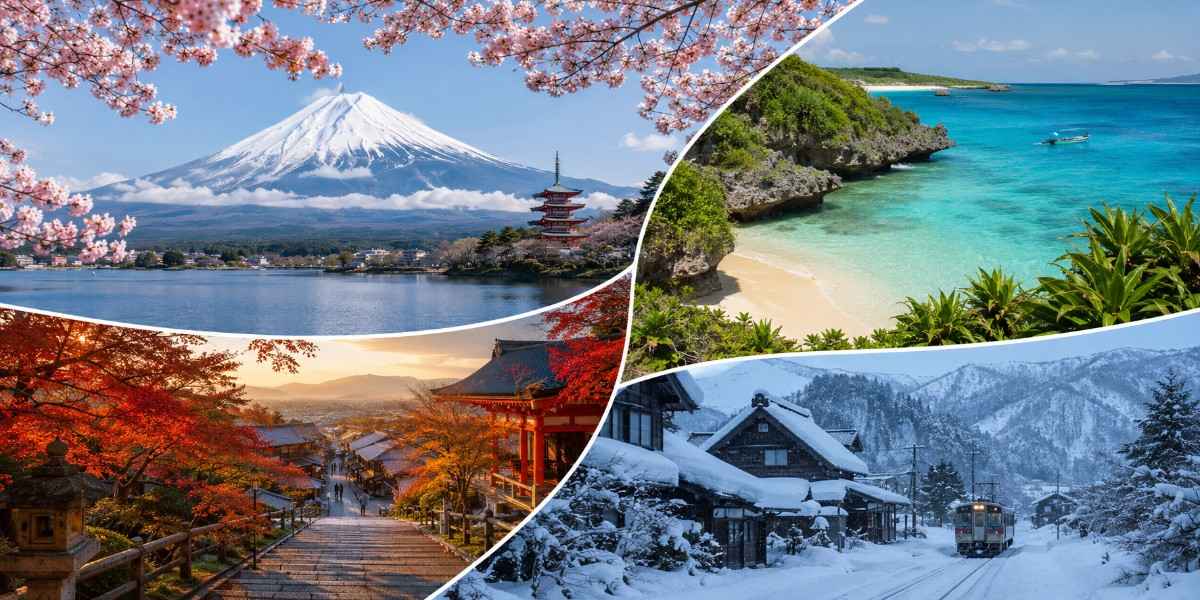
Japan changes quickly by region, altitude and month. Hokkaido can be deep in snow while Okinawa feels mild, and Tokyo can move from spring blossoms into humid heat within weeks. Travellers search for the best time to visit Japan because the answer depends on scenery, cost, festivals, city comfort and route choice. A smart plan begins with the experience you want, then checks weather, crowds and transport before fixing dates.
Start With the Trip You Want
| Travel purpose | Better window | What to check before booking |
| Cherry blossoms | Late March to early April in Tokyo and Kyoto areas | Forecast shifts and hotel prices |
| Autumn colours | Mid-November to early December in many urban routes | Regional foliage timing |
| Snow and skiing | January to February in Hokkaido and alpine zones | Resort access and rail plans |
| City sightseeing | March to May or October to November | Crowds near festivals |
| Budget travel | Late winter or shoulder periods | Local holidays and flight fares |
| Island warmth | Winter or spring in Okinawa | Rain and marine conditions |
This purpose-first filter keeps Japan travel seasons useful. A blossom trip, ski trip and first Tokyo-Kyoto route should never use the same planning logic.
Spring Has the Biggest Visual Pull
Spring is the most searched answer for the best time to visit Japan because blossoms can change the mood of cities, parks, riversides and castle towns. The Japan cherry blossom season reaches Tokyo around late March to early April in many normal years, though weather can move bloom dates earlier or later.
Spring brings pleasant city temperatures, long walking days and a packed cultural calendar. It also brings higher hotel prices, crowded viewpoints and busy train corridors near major routes. Book rooms early if Kyoto, Tokyo, Osaka or Hakone forms part of the route. Keep one flexible day for blossom viewing because peak bloom rarely follows fixed travel dates.
Autumn Gives Colour Without Spring Pressure
The Japan autumn season attracts travellers who want red maples, clear skies and easier walking weather. Autumn colour moves by altitude and latitude, with mountain areas changing earlier and many city routes peaking later. Tokyo and Kyoto can look strongest from mid-November into early December, depending on yearly conditions.
Autumn works well for temples, gardens, day trips, food markets and photography. It can still become crowded in Kyoto, Nikko, Nara and famous foliage areas. Choose weekday visits for major gardens, and place scenic spots early in the day when light and movement feel easier.
Winter Creates a Separate Japan Itinerary
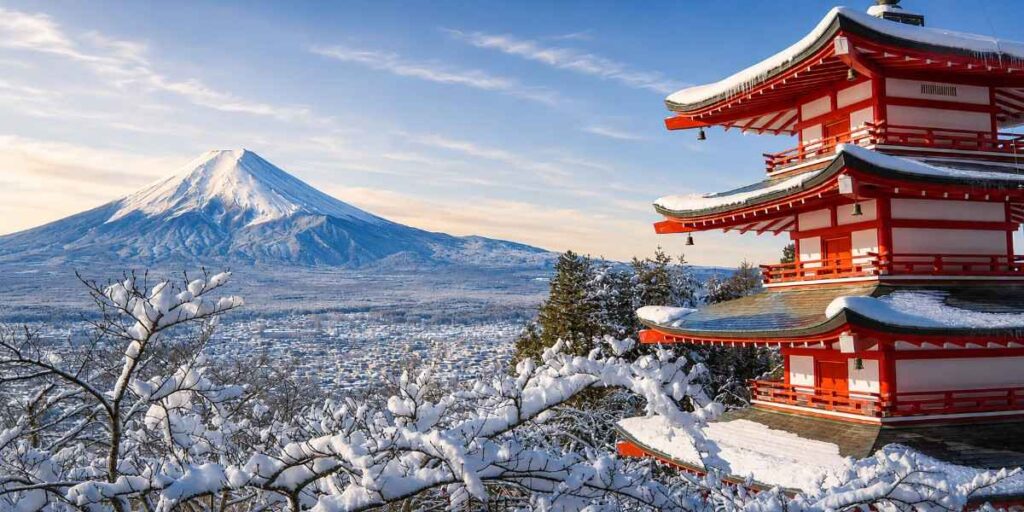
Japan winter travel belongs to travellers who want snow, hot springs, illuminations, clear Mount Fuji views or ski areas. Hokkaido, Nagano, Niigata and the Sea of Japan side can feel completely different from Tokyo or Osaka.
Use winter for these plans:
- Skiing, snowboarding and powder-snow resorts in northern or alpine areas.
- Onsen towns where cold air makes hot springs feel better.
- Winter festivals, lights and snow scenery.
- Clearer city views on dry Pacific-side days.
- Lower crowd levels across some urban routes after New Year travel eases.
Winter needs warmer clothing, earlier daylight planning and careful rail checks in heavy-snow areas. Hokkaido and mountain routes reward preparation far better than last-minute movement.
Summer Needs Heat and Storm Awareness
Summer can suit festivals, mountain escapes and northern routes, but it demands honest planning. Tokyo, Osaka and Kyoto can feel hot and humid from July through August. Rainy periods can affect early summer, while typhoons become a concern later in the season, with higher risk around August and September.
Summer works better when outdoor sightseeing starts early, indoor museums fill the hottest hours and evening plans remain flexible. Hokkaido can be a strong summer choice because temperatures feel easier than central Honshu. Okinawa needs marine-weather checks because island conditions change quickly.
Month Lens for Japan Weather
| Month group | Travel character | Planning note |
| January to February | Snow routes, skiing, onsen towns | Strong for northern winter plans |
| March to April | Blossoms and mild city walks | Prices rise near peak bloom |
| May | Green parks and comfortable cities | Golden Week can raise crowds |
| June to July | Rainy stretch and rising humidity | Pack light rain protection |
| August to September | Heat, festivals and typhoon risk | Build flexible travel days |
| October | Cooler air and early foliage | Mountain areas change first |
| November to December | Major autumn colour and winter lights | City gardens attract crowds |
Use Japan weather by month as a planning lens, not a promise. Japan’s climate varies sharply from north to south, and mountain regions can change the experience within the same week.
Budget Windows and Crowd Trade-Offs
The cheapest time to visit Japan is rarely one fixed month. Prices depend on flights, exchange rates, holidays, hotel demand and route popularity. Late January, parts of February, early June and some post-peak windows can work for lower costs, but each period has trade-offs.
Consider these checks before picking a cheaper date:
- Avoid Golden Week if hotels and trains are central to the route.
- Compare city hotels against rural inns before choosing dates.
- Keep rain or cold weather in the cost calculation.
- Check domestic festival periods near major cities.
- Leave room for price jumps around blossoms and foliage.
Budget travel works best when the route accepts the season rather than fighting it.
Region Changes the Answer
The best time to visit Japan depends heavily on region. Hokkaido suits snow lovers in winter and cooler outdoor trips in summer. Tokyo and Kyoto work well in spring and autumn, but crowds rise with the scenery. The Japanese Alps need weather checks because mountain transport and trail access can differ from city conditions.
Okinawa follows a warmer island rhythm, with mild winter weather and beach plans that still depend on rain, wind and marine safety. Kyushu can be attractive in spring and autumn, with hot springs, volcano areas and food routes gaining from comfortable temperatures.
Rail, Hotels and Daily Pace Need the Same Calendar
Japan travel can look simple on a map, yet dates affect how comfortable the route feels. Blossom weeks and major holidays can raise hotel rates near Kyoto, Tokyo, Osaka and famous viewing towns. Winter rail planning needs extra care in snow regions, while summer days need earlier starts and longer indoor breaks.
Use this practical filter before booking:
- Keep fewer hotel changes during popular holiday weeks.
- Place scenic day trips before crowded urban weekends.
- Use rail reservations when a route depends on fixed trains.
- Keep temple districts for morning or late afternoon visits.
- Match luggage plans with station transfers and weather.
This planning layer turns the best time to visit Japan into a route decision, rather than a simple calendar answer.
Mistakes That Weaken Japan Timing
- Booking blossom dates without checking regional forecast movement.
- Treating Hokkaido, Tokyo and Okinawa as one climate.
- Adding outdoor-heavy plans during peak heat without rest blocks.
- Ignoring Golden Week when trains and hotels can become difficult.
- Planning mountain routes without transport and weather checks.
- Assuming autumn colour peaks everywhere during the same week.
- Choosing cheaper dates without valuing daylight, rain and comfort.
These checks make the best time to visit Japan easier to choose without copying a generic seasonal answer.
Final Word
The best time to visit Japan depends on the trip you want to build. Choose spring for blossoms, autumn for foliage, winter for snow country and late shoulder windows for lower pressure on the budget. Summer can work for festivals, Hokkaido and mountain escapes, but heat and storm risk need respect. Check the region before the month, then match hotels, rail plans and daily pacing with the season. Japan rewards timing that follows geography, weather and purpose together.
FAQs
Can cherry blossom dates be trusted before booking Japan?
Cherry blossom dates should be treated as estimates until official forecasts begin. Travellers should book flexible city nights, keep alternate gardens ready and avoid building the entire trip around one exact bloom date.
Which Japan route works better during autumn colour?
Kyoto, Nara, Nikko, Kanazawa and the Japanese Alps work well for autumn colour when dates match local foliage movement. Mountain areas change earlier, while major city gardens can peak later.
Is Golden Week a difficult time for Japan travel?
Golden Week can make trains, hotels and popular attractions crowded because domestic travel rises sharply. Visitors with fixed dates should book early, avoid constant transfers and keep major city movement simple.
Does Okinawa follow the same best months as Tokyo?
Okinawa follows a warmer island climate, with milder winters and different rain, wind and marine conditions. Beach planning needs local forecasts, while Tokyo timing depends more on blossoms, foliage and city comfort.
Which season is better for first-time Japan visitors?
Spring and autumn remain strong for first-time visitors because city walking, classic routes, scenery and food trips feel easier. Travellers sensitive to crowds may prefer May, late autumn or quieter winter city dates.